



The influence of social media on gambling behavior What Aviator game found
The Role of Social Media in Shaping Gambling Trends
Social media platforms have fundamentally transformed the way individuals engage with various forms of entertainment, including gambling. With the ease of access and the vast reach of platforms like Facebook, Twitter, and Instagram, gambling-related content can quickly go viral. Gamblers, particularly younger audiences, are increasingly influenced by their peers and celebrities who share their gambling experiences online. This trend not only normalizes gambling behavior but also fosters a sense of community among users. For those looking to explore options, https://aeromodelisme-rc.net/en-ng/ serves as a helpful resource in navigating online casino offerings.
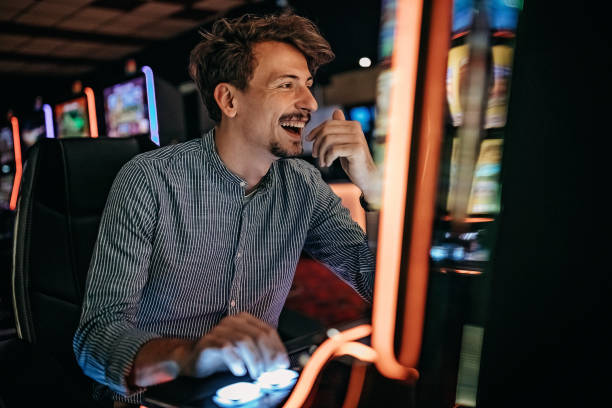
Social media serves as a powerful marketing tool for online casinos, including those that offer games like Aviator. Through targeted advertisements and engaging content, these platforms attract new players and retain existing ones. The ability to showcase user-generated content, such as wins and experiences, creates a compelling narrative that can entice others to try their luck. Furthermore, social media influencers who endorse specific games can significantly sway their followers’ perceptions of those games, making them more appealing.
Moreover, social media facilitates the sharing of strategies and tips among players, enhancing their gaming experiences. Gamblers often post about their winnings, share insights about specific games like Aviator, and discuss various betting techniques. This exchange of information can lead to a more informed player base, although it also carries the risk of encouraging irresponsible gambling behaviors. Overall, the influence of social media on gambling behavior is profound, impacting not only how people engage with gambling but also how they perceive its risks and rewards.
The Psychological Impact of Social Media on Gambling Behavior
The psychological effects of social media on gambling behavior are complex. Constant exposure to gambling-related content can create a normalized perception of gambling as an everyday activity. This normalization can lead to increased impulse betting and risky behaviors, particularly among impressionable individuals. The fear of missing out (FOMO) is heightened when users see their peers enjoying gambling successes or participating in high-stakes games like Aviator.
Additionally, social media platforms often operate on a reward system, where users receive likes, shares, and comments for their posts. This gamification aspect can intertwine with gambling behavior, creating an addictive loop where the approval from peers reinforces gambling participation. Gamblers may find themselves chasing not only monetary wins but also social validation, further blurring the lines between healthy and unhealthy gambling habits.
The design of social media itself—characterized by constant updates and notifications—can exacerbate compulsive behavior. Gamblers may feel compelled to check their social feeds for updates or results, leading to a cycle of continuous engagement. This cycle can result in spending excessive time on gambling platforms while simultaneously neglecting responsibilities or healthier recreational activities. The psychological impact of social media on gambling behavior thus extends beyond mere participation; it influences how individuals perceive and engage with the gambling world as a whole.
The Shift from Land-Based to Online Gambling
The transition from traditional land-based casinos to online platforms has been significantly influenced by social media. Online gambling allows for a more flexible and accessible experience, enabling players to engage in games like Aviator from virtually anywhere. This shift has been accelerated by the COVID-19 pandemic, which forced many physical casinos to close their doors temporarily. As a result, more gamblers turned to online options, often sharing their experiences on social media.
Social media plays a critical role in the promotion of online gambling platforms. With engaging advertisements and interactive content, online casinos can attract a broader audience, including those who may have never considered gambling before. Players often share their wins and experiences on platforms like Instagram, creating a buzz that draws in new participants. This organic promotion is a game-changer, as it relies on peer influence rather than traditional marketing methods.
The interactive nature of online gambling platforms often mirrors social media experiences. Features like live-streaming games and chat functionalities create a sense of community among players, enhancing the overall gambling experience. Gamblers can connect with others, share strategies, and celebrate wins collectively. This communal aspect is less pronounced in traditional casinos, making online gambling a more attractive option for many, particularly younger players who are accustomed to social media interaction.
The Risks of Social Media-Influenced Gambling
While social media can enhance the gambling experience, it also carries inherent risks. The exposure to gambling content can lead to increased participation, especially among vulnerable individuals. The constant portrayal of gambling as a glamorous lifestyle can encourage unhealthy gambling behaviors. Players may feel pressured to bet more or engage in riskier activities to fit in with the social norms established within their online communities.
Moreover, the lack of regulation surrounding social media advertising for gambling can lead to misinformation. Many ads focus on the potential for large wins without adequately addressing the risks associated with gambling. This one-sided portrayal can skew public perception, making gambling appear more appealing than it truly is. As a result, individuals may enter the gambling space with unrealistic expectations, only to face disappointment and financial loss.
Additionally, the social media environment can foster competition and comparison among players. When individuals see others winning large sums, they may feel compelled to increase their stakes, leading to a higher likelihood of gambling addiction. This competitive spirit can detract from the enjoyment of the game, transforming what should be a fun and recreational activity into a high-pressure situation that can have detrimental effects on mental health.

Exploring the Aviator Game in the Social Media Context
The Aviator game has gained significant traction within the online gambling community, largely fueled by social media exposure. Players often post their gameplay experiences, showcasing wins that can multiply bets significantly. This trend has created a buzz around the game, attracting both seasoned gamblers and newcomers eager to try their luck. The high-stakes nature of the game, combined with its engaging mechanics, makes it particularly popular on platforms like TikTok and Instagram, where short clips can capture the excitement of the gameplay.
Social media not only promotes the game but also serves as a platform for players to share strategies and insights. Numerous players discuss their approaches to maximizing their betting potential, creating a collaborative environment that enhances the overall gaming experience. This exchange of information is particularly beneficial for new players who are learning the ropes and may feel overwhelmed by the game’s intricacies.
Furthermore, Aviator’s success on social media reflects broader trends in the online gambling landscape. As more players turn to online options, the demand for innovative games continues to rise. The Aviator game’s integration of social elements through sharing and community engagement makes it a prime example of how social media can influence gambling behavior. This interactive experience not only attracts a larger player base but also contributes to the game’s long-term popularity and sustainability in the competitive online gambling market.